jhouser123
-
The risks of delivering a drug somewhere it doesn’t belong are more than just the lost potency of the treatment; it can mean healthy tissue gets damaged and the disease is compounded by off-target impacts of treatment. As our therapies become increasingly complex—from biologics to gene editors—the challenge of getting these agents exactly where they…
-
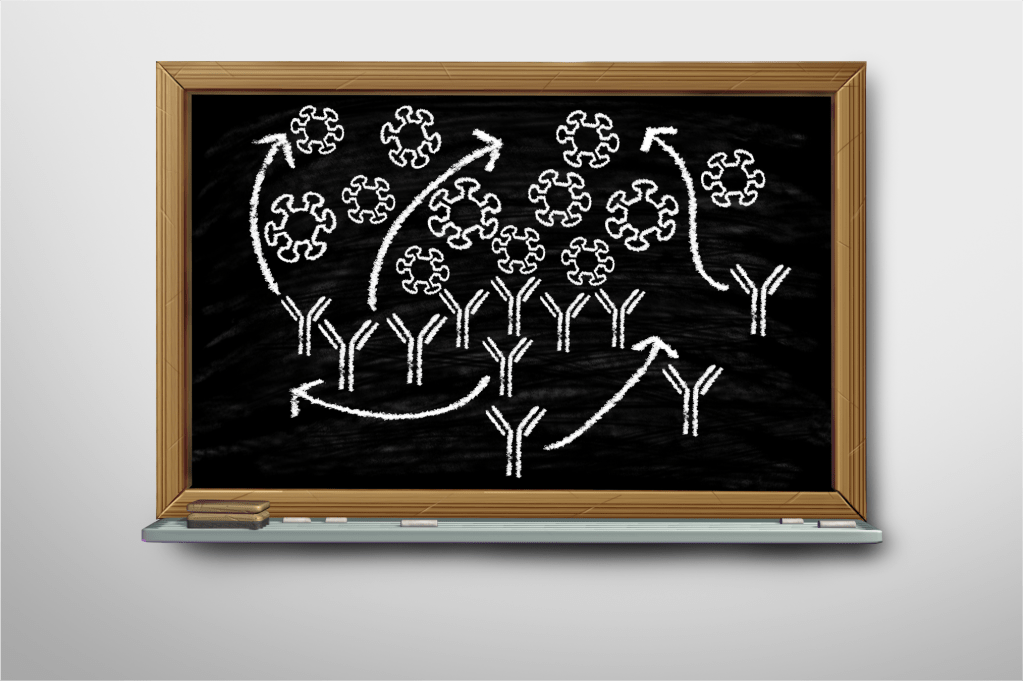
Antibodies stand at the forefront of biologics, lauded for their remarkable specificity and proven therapeutic versatility. Yet their story extends far beyond their innate role as immune sentinels. Recent advances in molecular biology and protein engineering have ushered in a new era—one in which antibodies evolve from mere antigen binders into sophisticated, multifunctional tools. From…
-
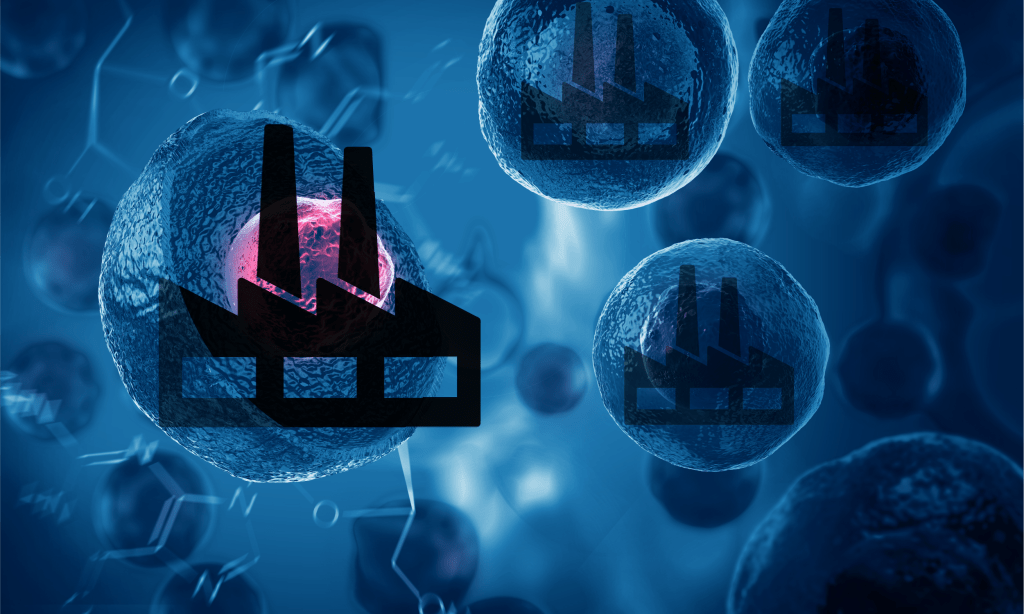
If the advent of bacterial and yeast systems revolutionized the early days of biologics, the rise of mammalian cell lines cemented the transition to modern biomanufacturing. These living factories produce complex proteins, often indistinguishable from their natural human counterparts, and have become indispensable to the creation of antibodies, vaccines, and gene therapies. Mammalian cells possess…
-

Welcome back for Volume 4 of the Fantastic Drugs series! When you think of biologics, it is hard not to picture antibodies first. These remarkable proteins, with their unparalleled specificity, have revolutionized not only how we treat diseases but also how we conceptualize targeting them. As both sentinels of our immune system and precision tools…
-
I want to take a brief interlude in the series to talk about how a fantastic drug becomes a fantastic drug. The story of insulin, covered in the previous article, can teach us many lessons about drug discovery and commercialization. The advancements in purification and analytical techniques and the paradigm shift in characterizing and producing…
-
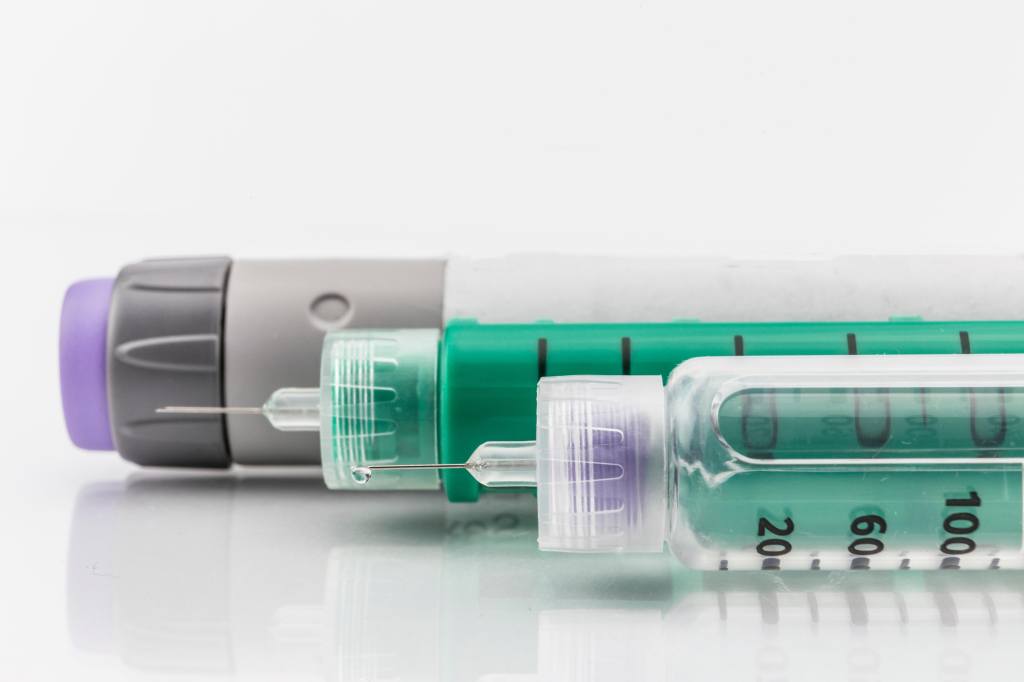
Volume 2 in the Fantastic Drugs and Where to Find Them series!Make sure you check out Volume 1 where we dragged ourselves out of the stone age (small molecule drugs). Few medical breakthroughs have reshaped human health as profoundly as insulin. Not only did it revolutionize diabetes care—turning a once-fatal disease into a manageable condition—but…
-

One of the most motivating aspects of working in biomedical research is the sense of urgency that comes with knowing real lives may depend on the outcome of your work. It is a massive responsibility, and the closer you work to a disease indication the more urgent it becomes. Whether addressing rare diseases, pioneering personalized…
-

In a significant move to lower healthcare costs, the U.S. Department of Health and Human Services (HHS) has selected 15 additional drugs for Medicare price negotiations under the Inflation Reduction Act (IRA). Led by the Centers for Medicare & Medicaid Services (CMS), this second round builds on last year’s initial success, which yielded notable price…
-
Volume 1 in the Fantastic Drugs and Where to Find Them series! Few things have caused such fundamental changes in our lives as pills. Aspirin, discovered in the 19th century, is often heralded as the archetype of pharmaceutical success—a small molecule whose simplicity and precision transformed human health. In the decades that followed, these chemical…
-
If you spend any time exploring the history of science and medicine, it often feels like we’re living in a golden age of discovery and innovation. We can now treat diseases that weren’t even categorized or understood until relatively recently, and the pace of breakthroughs only seems to be accelerating. These successes rest on the…
 Jeremy S. Houser